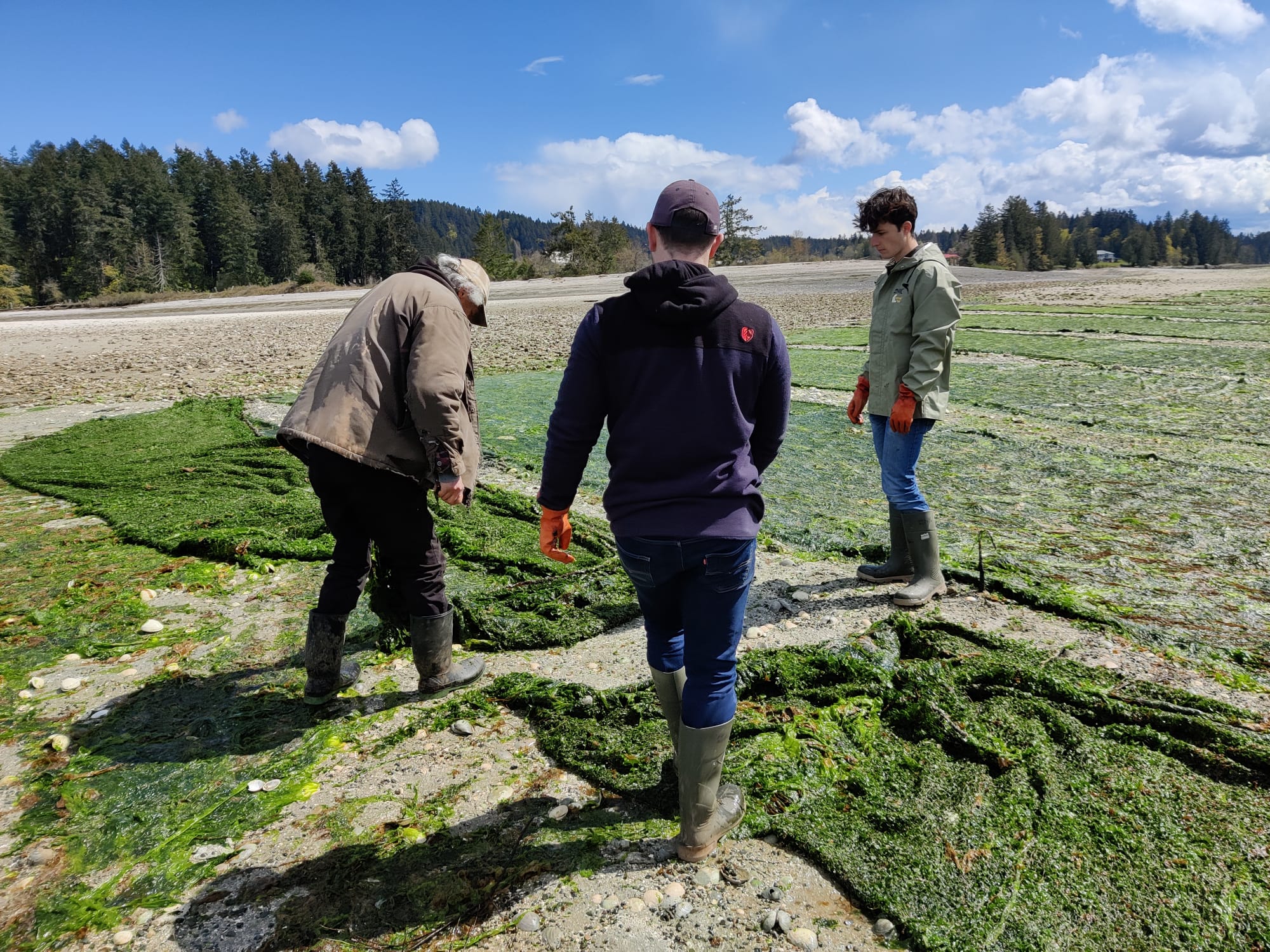
NIC tested the polymer degradation of anti-predator netting used in shellfish aquaculture around the Comox Valley on Vancouver Island. A methodology was developed to evaluate the different ages of netting and to determine which additives and/or microplastics from the netting leach into the water during their lifespan.
Project Dates: February 7, 2022 – June 30, 2022
Number of Student Researchers: 2
Project summary
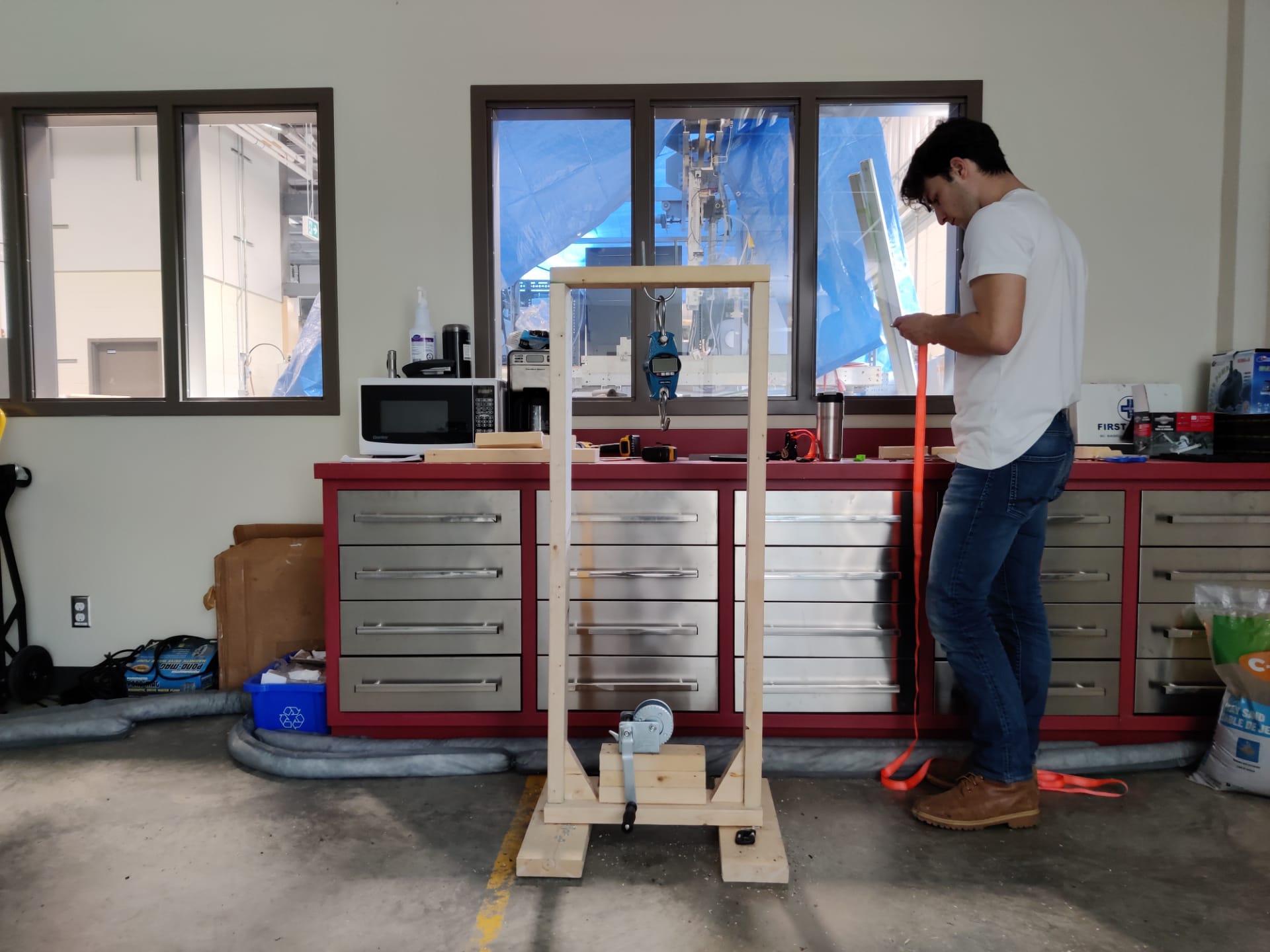
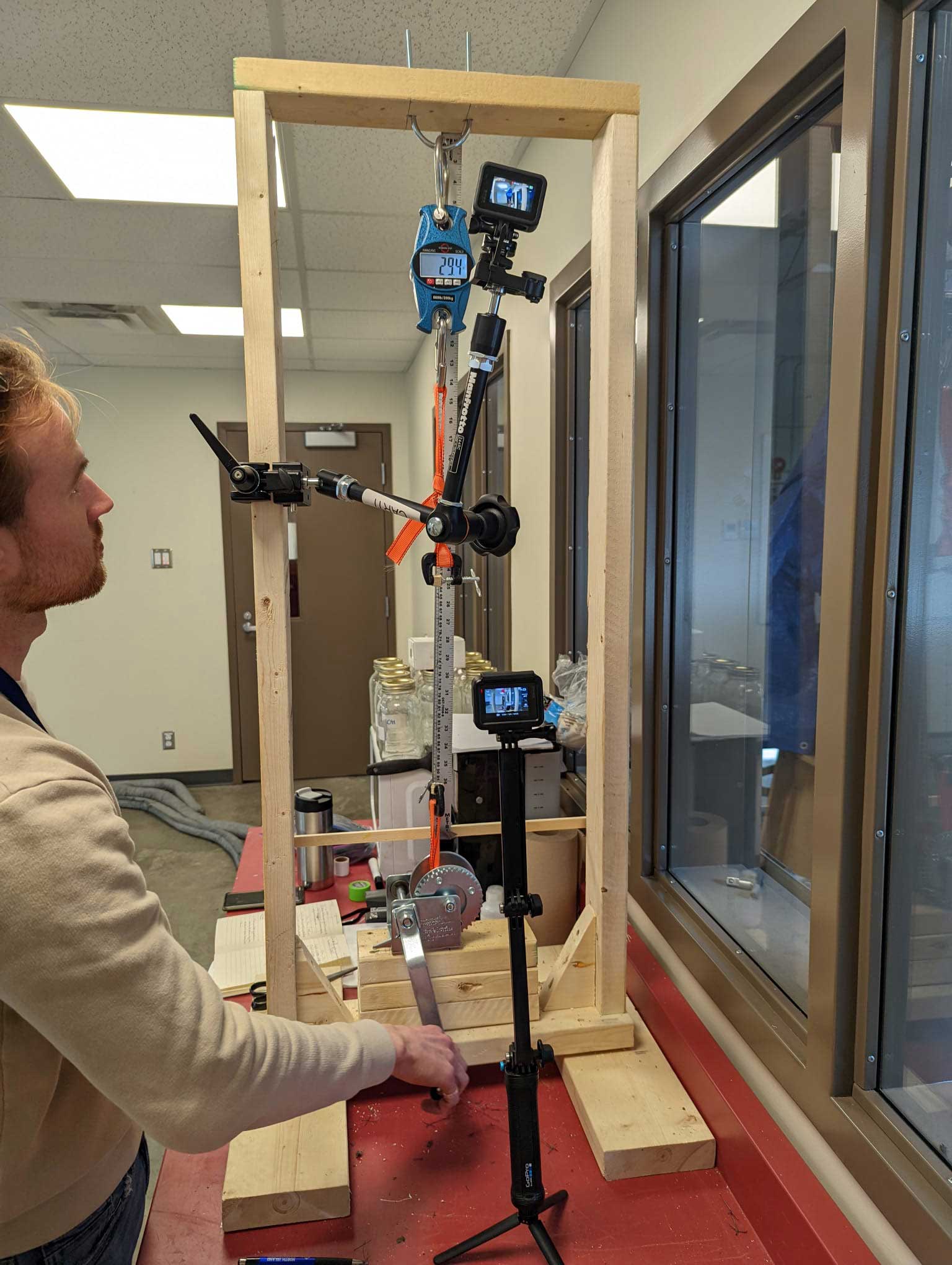
This project focused on the degradation of polymer anti-predator netting used in shellfish aquaculture around Vancouver Island. Two experiments were conducted to evaluate the various types and concentrations of microplastics and/or additives leaching into the ocean from anti-predator netting. In the first experiment, anti-predator netting of different ages was tested and evaluated for the degradation of its mechanical properties. In the second experiment, used and new anti-predator netting was tested to determine the levels of leaching of certain additives often used in UV-resistant coatings.
Project updates
- Final report: Microplastics in Shellfish Aquaculture
Research team

Logan Zeinert
Researcher

Maxime Boufflette
Student Researcher

Wouter Jansen
Student Researcher
Partners

The UN Sustainable Development Goals (SDGs) align with the college’s commitment
to community well-being and sustainability. By integrating SDGs into applied research
at NIC, we drive innovation that supports regional development while addressing critical
social, environmental and economic priorities.
UN Sustainable Development Goals